
Organic Whole Food Magnesium Supplement Review: Two Months In
Two months on a plant-based sea vegetable magnesium: better sleep, steadier energy, and what the 250 mg serving really gets you.
Two months on seaweed-sourced magnesium and I’d call it the best-performing supplement in my cabinet right now. Two capsules, 250 mg from organic sea lettuce and bladderwrack, and the results, deeper sleep, steadier daytime energy, noticeably lower anxiety, showed up around week five and held. Buy it.
This post contains affiliate links. I may earn a commission at no extra cost to you.

How this review was made: written from my own video review of this product. Every opinion here is my own, from using it myself.
| Magnesium per serving | 250 mg (2 capsules) |
|---|---|
| Count | 60 capsules |
| Source | Organic sea lettuce, bladderwrack, Irish sea moss |
| Extraction | Water extracted |
| Certifications | cGMP, 3rd party tested, vegan, gluten free |
Why I Switched Off Synthetic Magnesium
My diet had been whole-food for two years; my supplement shelf hadn’t caught up. Magnesium oxide and glycinate are both synthetic salts, and that inconsistency finally got under my skin enough that I went looking for something plant-derived. That search is what landed me on this Organic Whole Food Magnesium Supplement on Amazon.
What made it stand out is the marketing angle: organic sea-based vegetable complex. Not a lab-made salt. Had to do a lot of research to kind of look into that before I bought, because “sea vegetable” on a label doesn’t mean much on its own.
What Sea Lettuce, Moss, and Bladderwrack Are Doing in There
Sea lettuce, Irish sea moss, and bladderwrack deliver 250 mg of elemental magnesium per two-capsule serving, the brand’s whole argument for better absorption. Organic sea lettuce, Irish sea moss (that’s the red seaweed), and bladderwrack, which is more of a brown seaweed. That’s how they get the basis for the sea vegetable complex, and it’s where the magnesium is coming from instead of a synthesized compound.
The serving is 250 mg of magnesium from two capsules. At 60 capsules a bottle, that’s 30 days if you’re taking it the way I do. Worth doing that math before you order, because a lot of people assume a 60-count bottle is two months.
The listing also calls out water extraction, no fillers, no stearates, third-party tested, made in the USA. Those are the boxes I check now before anything goes in my cabinet.
Is whole food magnesium glycinate actually different?
Whole food magnesium and glycinate aren’t the same product, one is elemental magnesium naturally occurring in seaweed, the other is a synthetic amino acid chelate. People search “whole food magnesium glycinate” expecting one product. Glycinate is a synthetic chelate, magnesium bound to an amino acid. A whole food magnesium like this one isn’t glycinate at all. It’s elemental magnesium occurring naturally inside the seaweed, which is the brand’s whole argument for why your body recognizes it as food and absorbs it better.
So the two aren’t the same category of thing. If you’ve been on glycinate and liked it, you’re not buying an upgrade of the same molecule, you’re switching forms entirely. I’d been on other magnesiums before this one, and I’ll say this is probably the one I’ve felt the best on as far as results and energy. That’s my experience over two months, not a lab comparison.
The absorption claim is the brand’s, not something I can verify at my kitchen counter. I’m judging it on how I feel.
Two Capsules, First Thing, With a Light Meal
Two capsules each morning with a light meal, 250 mg of magnesium, that’s the full protocol, but timing matters more than the bottle suggests. What I do is I take this first thing in the morning with a light meal. Two capsules, 250 milligrams, done for the day.
Here’s the part that tripped me up at first. Magnesium gets marketed hard as a sleep supplement, so my instinct was to take it at night. I went with the morning dose instead and that’s where the energy benefit showed up for me. If you’re buying this expecting a bedtime pill, the timing question isn’t obvious off the bottle, and you may need a couple of weeks to figure out what works for you.
The other thing: nothing happened in week one. This isn’t a melatonin situation where you feel it that night. It took real time before I could point at anything.
Two Months In, Here’s What Changed
After two months: deeper, more restorative sleep; lower stress and anxiety; and daytime energy and focus I hadn’t had before. Not just hours logged. I was waking up like the sleep had done something.
Less stress and less anxiety came alongside that over the two-month stretch. And then the energy piece, which is kind of the opposite of what I expected from magnesium. I can get through the day a lot better now, more focused than I’ve had before. For someone who exercises regularly, that’s the thing to watch, just getting depleted of some of those minerals and not realizing it’s why you’re dragging at three in the afternoon.
I’ve taken other magnesiums. This one gave me the best results of the bunch. Two months is also about where I’d tell anyone to judge it, because at three weeks I couldn’t have told you much.
What the Money Buys Against a Bottle of Glycinate
Synthetic magnesium glycinate costs less per serving and comes in larger bottles; this one costs more for organic, plant-based, third-party tested sourcing. A big bottle of synthetic magnesium glycinate or citrate will cost you less per serving and give you more capsules. That’s the trade.
What you get instead is a certified organic, plant-based source with no fillers, third-party tested, 60 capsules at 250 mg per two-capsule serving. For me that fit with where I’ve taken my eating, so the premium made sense. If plant-based sourcing isn’t a priority for you, I don’t think you’d feel shortchanged on glycinate either.
Price-wise it’s been sitting right around its usual level for the past three months, so there’s no obvious sale to wait for. It’s ranked around #13,655 in Health & Household with more than 2,000 bought in the last month, which tells me it’s moving steadily rather than being a flash-in-the-pan listing. Check today’s price on Amazon before you commit.
Before You Order, Know This
Buy two bottles if you’re serious about trying it. One bottle is 30 days at the two-capsule serving, and I didn’t feel a real difference until well past the first month. Judging this on a single bottle is setting yourself up to shrug and move on.
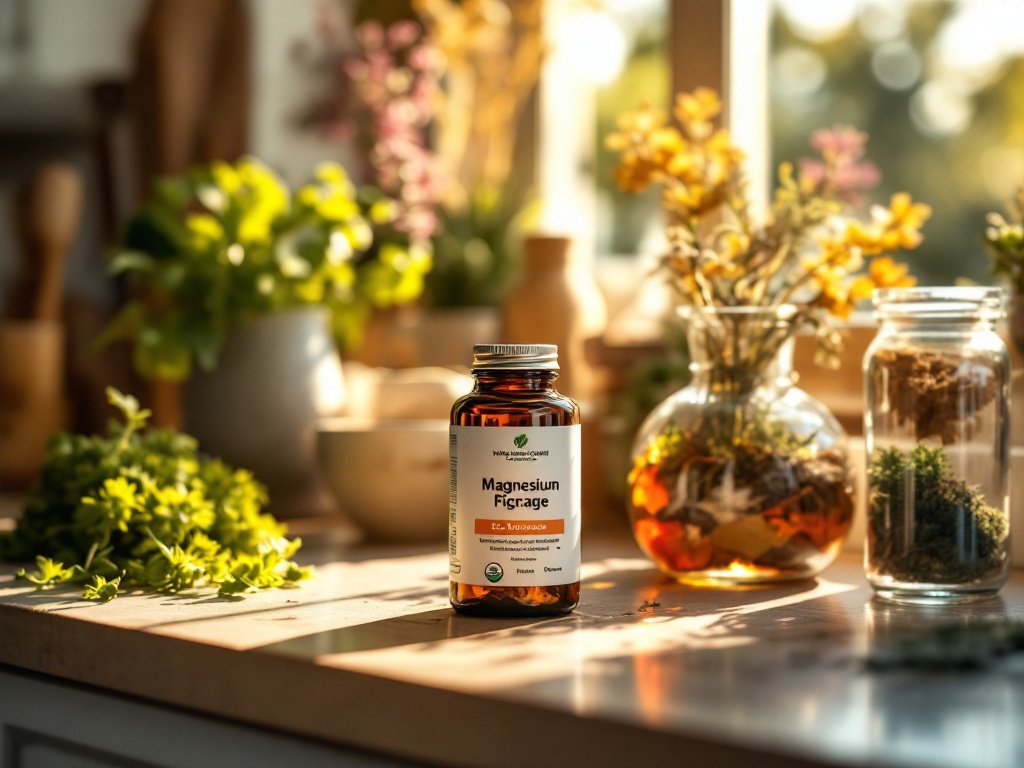
There’s only the one format, 60 capsules, so you’re not choosing between sizes or powders. And if a sensitive stomach is what pushed you off magnesium citrate, the gentle-digestion angle is the reason this one exists, though that’s the brand’s claim and your mileage will be your own.
Frequently Asked Questions
Can I take it with other supplements or a multivitamin?
I take mine with a light meal in the morning alongside my other supplements and haven’t run into problems. Magnesium can interact with certain medications, so if you’re on anything prescription, ask your doctor first. That’s not a cop-out, it’s the right call with minerals.
Is it safe for a vegan or gluten-free diet?
Yes on both. It’s vegan, gluten free, soy free, and GMO free, and the magnesium comes from seaweed rather than anything animal-derived. If you have a shellfish or iodine concern, note that it’s sea-sourced, so check with your doctor.
How should I store the capsules?
Cool, dry cabinet, out of direct sun, same as any capsule supplement. I keep mine in the kitchen away from the window. Don’t park it on a sunny counter or in a steamy bathroom.
Will it make me drowsy during the day?
It didn’t for me, and I take mine in the morning. The effect I got was the opposite, steadier energy and better focus through the day. If you’re worried, start with a morning dose rather than evening and see how you respond.
Clicking takes you to Amazon. As an Amazon Associate we earn from qualifying purchases — pricing and availability subject to change.
Get it now
Organic Whole Food Magnesium Supplement
Get the best price on Amazon →Affiliate link. See the disclosure at the top of this post.

If the seaweed-source angle fits how you already eat, commit to two bottles, one month won’t tell you anything. If plant-based sourcing isn’t a priority, glycinate is cheaper and plenty effective. But if you’ve been dragging at three in the afternoon and sleeping light, this is the first magnesium I’ve taken where I could actually point at a before and after.
🛍️ Shop everything in this video
Every product mentioned, in one place. These are affiliate links, so I may earn a small commission at no extra cost to you.
🛍️ Organic Whole Food Magnesium Supplement with Sea-Based Vegetable Complex: check price on Amazon →