
Shinboc Sanding Sponge 20-Piece Set Review: The Reusable Foam Pads I Use for Drywall
A reusable sanding sponge set with 9 grits from 180 to 3000. Here's how the wet-dry foam pads held up on my drywall work.
This post contains affiliate links. I may earn a commission at no extra cost to you.
Quick Verdict
Nine grits from 180 to 3000, a foam core, a felt back, and you can rinse them and use them again. After running these on drywall patches, I like them better than the thin dry sandpaper I usually reach for.
Buy if you:
- Patch and sand drywall and want to shade and fill in the edges
- Hate buying disposable sandpaper sheets over and over
- Want to sand wet or dry with the same pad
- Like having a wide grit range on hand for one project
Skip if you:
- Want a rigid block, these pads flex and won’t stay dead flat on their own
- Only sand once a year, the value pays off with regular use
- Need heavy stock removal below 180 grit, this set starts at 180
Clicking takes you to the seller's website. We may earn a small commission if you purchase, at no extra cost to you.
| Pack | 20 pieces, 9 grits (180 to 3000) |
|---|---|
| Pad size | 3.9 x 2.8 x 0.2 in |
| Material | Brown alumina + foam, felt back |
| Wet or dry | Both, rinses clean |
| Reusable | Yes, washable |
The Grit Numbers Are Printed Right On the Pad
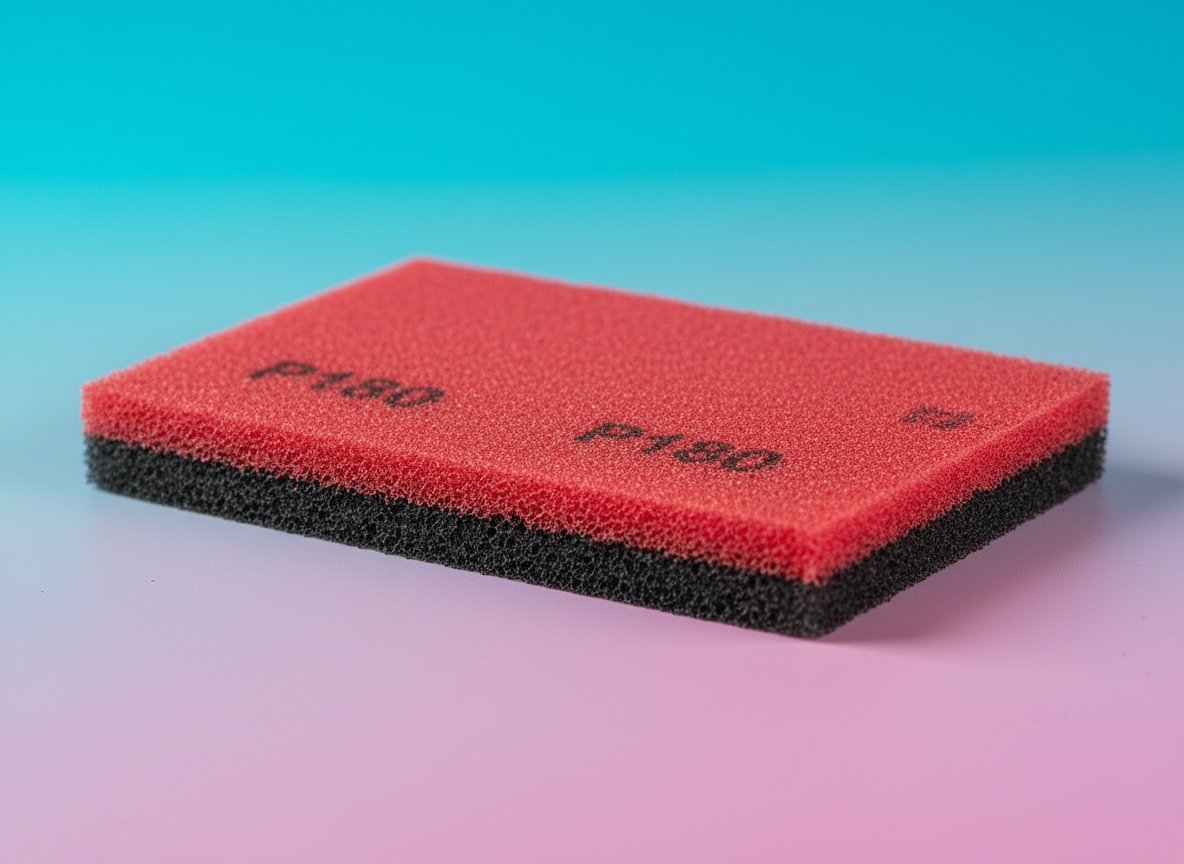
The first thing I noticed picking these up: every pad tells you exactly what grit it is. The letters are printed on the red side, so you can read whether you’re holding 180, 600, 2000, or 3000 without guessing. Until you’ve fumbled through a pile of near-identical sheets mid-project, you don’t realize how useful this is. This is a 20-piece sanding sponge set that runs 180 to 3000 grit, and I picked up the variety pack rather than the box that’s nothing but 3000. You can grab the current price on Amazon here.
I expected a gimmick, foam glued under cheap abrasive, same result as a sheet wrapped around your fingers. What I got instead was a pad that feathered a drywall patch edge without digging in, rinsed clean, and was still cutting on the third use.
What’s In the Pack and How It’s Built
Twenty pieces across nine grits: 180, 320, 400, 600, 800, 1200, 1500, 2500, and 3000. The middle of each pad is a sponge with a felt back, and the abrasive is brown alumina bonded to foam. Each pad measures 3.9 x 2.8 x 0.2 inches, and they can be cut down if you need a smaller piece for a tight spot.
The foam gives a little cushion when you press down, which keeps you from digging too deep and leaving scratches. That soft core is also why it hugs corners and curves better than a rigid block. And the whole thing is rated for wet or dry use, so you can rinse it under water and go again.
Best for Drywall Shading and Reusable Sanding
Drywall patches are where the foam cushion earns its keep. On a fresh patch, the give in the pad lets you blend the compound edge into the surrounding wall without the abrasive biting into the face paper, something a rigid block or a bare sheet wrapped around your fingers will do the moment pressure shifts. That forgiving flex is exactly what light touch-up work needs.
The bigger deal is reuse. I ran the same 400-grit pad across three separate patch jobs, rinse under the tap while the drywall dust is still wet, squeeze it out, and it cuts almost like new. Thin sheets clog, crease, and tear; by the time I finish one patch with disposable paper I’m already reaching for another strip. Having the whole ladder from 180 to 3000 in one pack means I can go rough-to-polish on a single repair without stopping to hunt.
The Flex Is a Blessing and a Catch
That soft foam that makes these great on curves also means they won’t stay perfectly flat on their own. On a big flat surface where you want a dead-level finish, the give in the pad works against you a little. It’s the trade-off for how nicely it wraps corners and contours. If you need a knife-flat result, you’ll want to back the pad with something rigid or reach for a hard block instead. For drywall shading and fill work, it’s a non-issue, but worth knowing before you buy expecting a stiff sanding block.
Get it now
Shinboc Sanding Sponge Set
Get the best price on Amazon →This post contains affiliate links. I may earn a commission at no extra cost to you.

Who This Sanding Sponge Set Is Really For
If you patch drywall regularly, this is an easy pick. Same if you’re doing furniture touch-ups, automotive paint work, or any finishing where you climb the grit ladder from rough to fine. The 3000 at the top is fine enough for polishing and wet finishing, and the 180 handles the rougher first pass.
DIYers who sand more than a couple times a year get the most out of the reusable angle. If you crack open sandpaper once every couple of summers, disposable sheets are probably fine for you. But if you’re forever restocking, these pay for themselves.
Foam Sponge vs. Thin Dry Sandpaper
I like these better than just the dry or thin sandpaper, and it comes down to two things. Thin sheets tear and clog and then they’re done. These foam pads rinse clean and go again several times. The felt-backed foam also cushions the surface so you’re less likely to leave scratches, where a bare sheet wrapped around your fingers has no give at all.
Where thin paper still wins: on a big dead-flat surface with a hard sanding block, that rigid backing gives you a flatter result than a flexible foam pad will. So it’s not that one replaces the other everywhere. But for corners, contours, drywall shading, and anything you want to sand wet, the sponge is the better tool.
My Advice Before You Buy
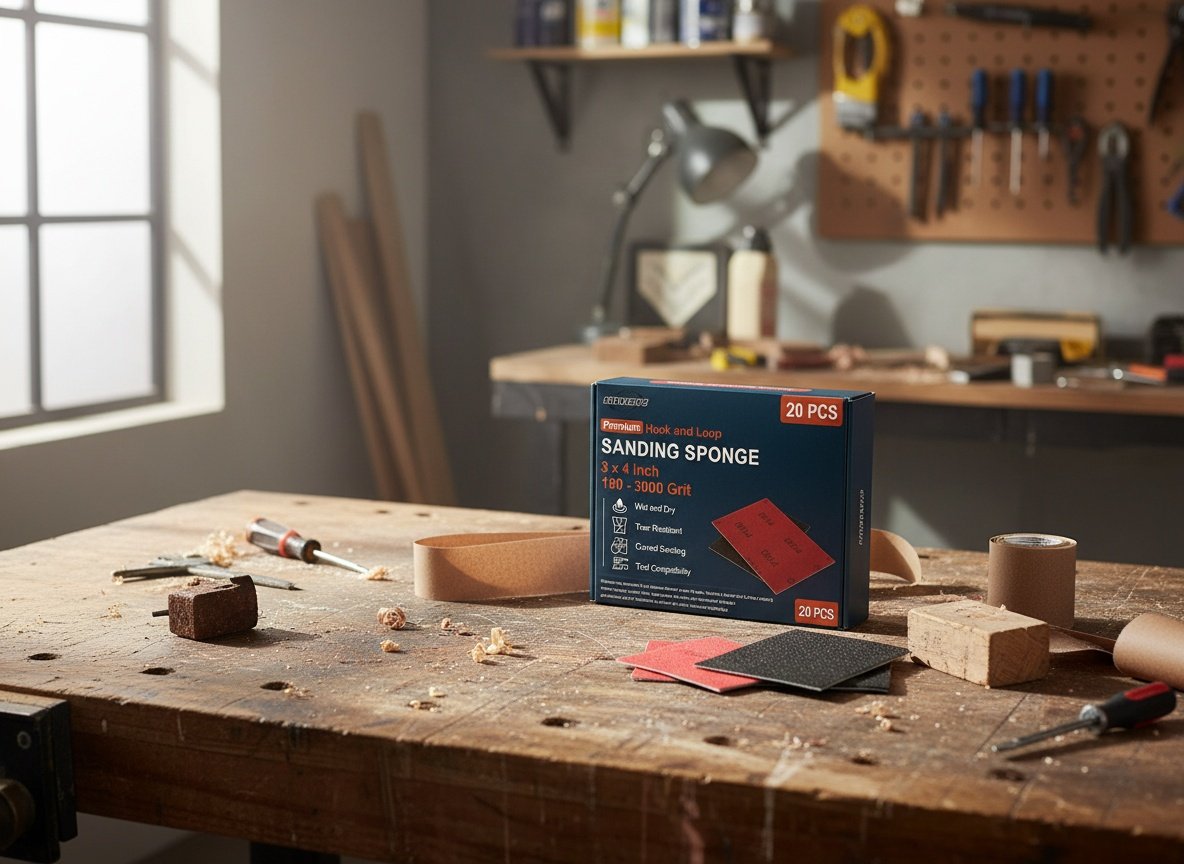
Grab the variety pack, not the single-grit box, unless you know you only ever polish. Having 180 through 3000 in one set is the whole point, and you don’t want to be short a grit halfway through a job. Rinse the pads while they’re still loaded rather than letting the residue dry in, they clean up faster that way, and the listing notes they work even better with a little detergent. And if you hit a flat panel that needs a level finish, back the pad against something rigid so the flex doesn’t fight you. Small step, saves you a redo.
Pros
- Nine grits from 180 to 3000 in one pack, grit printed on the pad
- Rinses clean and reuses several times instead of tossing sheets
- Foam cushion hugs corners and curves, less risk of gouging
- Works wet or dry with the same pad
- Handy for drywall shading, filling, and light polishing
Cons
- The flex works against you on big flat surfaces that need a dead-level finish
- Starts at 180 grit, so no heavy stock removal
- Value only really lands if you sand regularly
Frequently Asked Questions
How many times can you reuse a sanding sponge?
Several times per pad, based on my use. Rinse them under water while the residue is still fresh and they clean up and keep cutting. The listing notes a bit of detergent helps them clean even better.
Can you use these sanding sponges wet?
Yes, they’re rated for wet or dry use. That makes them handy for wet sanding paint or finishes where you want to keep dust down and get a smoother result.
What surfaces work with this sanding sponge set?
Wood, paint, metal, plastic, and drywall, per the listing. I mainly use mine for drywall sanding and fill work, but the grit range covers everything from rough prep to fine finishing.
Can you cut the pads to a smaller size?
Yes, the pads can be cut at will. Each one is 3.9 x 2.8 x 0.2 inches, so if you need a narrow strip for a groove or a tight corner, you can trim one down.
What grits come in the variety pack?
Nine grits: 180, 320, 400, 600, 800, 1200, 1500, 2500, and 3000, across 20 pieces. There’s also a separate box that’s nothing but 3000 grit if you only do fine polishing.
Are these good for a flat, level finish on wood panels?
Not on their own for a dead-flat result. The foam flexes, which is great on curves but works against you when you need level. Back the pad with a rigid block on flat panels.
Do you need a sanding block to hold these?
No, they’re pads you can hold by hand, and the foam gives you enough grip and cushion. A rigid backing only helps if you want extra flatness on a big flat surface.
Is this worth it over cheap disposable sandpaper?
If you sand more than a couple times a year, yes. Because you rinse and reuse them, they replace stacks of sheets you’d otherwise throw out, so the cost works out in your favor over time.
Get it now
Shinboc Sanding Sponge Set
Get the best price on Amazon →This post contains affiliate links. I may earn a commission at no extra cost to you.
🛍️ Shop everything in this video
Every product mentioned, in one place — these are affiliate links, so I may earn a small commission at no extra cost to you.
🛍️ 20 Piece 3/4 Inch Variety Pack Reusable Foam Sponge Sandpaper Blocks 180 to 3000 Grit — check price on Amazon →