STP Premium Synthetic Blend 4 Cycle Small Engine Oil Review: The 10W-30 I’ve Run for 5 Years
A hands-on look at STP's synthetic blend 10W-30 small engine oil after five years of running it in my own lawnmower.
This post contains affiliate links. I may earn a commission at no extra cost to you.
Quick Verdict
Four and a half years in my lawnmower and I’ve run nothing but STP. This synthetic blend 10W-30 is my go-to because it’s reliable, and the measuring lines on the bottle mean I’m not guessing at 6 or 8 ounces.
Buy if you:
- Run a 4-cycle lawnmower, generator, or snow blower
- Want one 10W-30 that works across seasons
- Like measuring the exact ounces you pour
- Trust a brand you’ve seen work for years
Skip if you:
- Have a small pour spout and want a wide funnel neck, this one you’ll want to pour slow
- Run a 2-cycle engine that needs oil-fuel mix
- Need a full synthetic, not a synthetic blend
Clicking takes you to the seller's website. We may earn a small commission if you purchase, at no extra cost to you.
| Viscosity | SAE 10W-30 |
|---|---|
| Type | Synthetic blend, 4 cycle |
| Size | 32 fl oz |
| Made for | Lawnmowers, generators, tractors, snow blowers |
| Bottle | Side measuring markings |
Five Years, One Oil, No Guessing
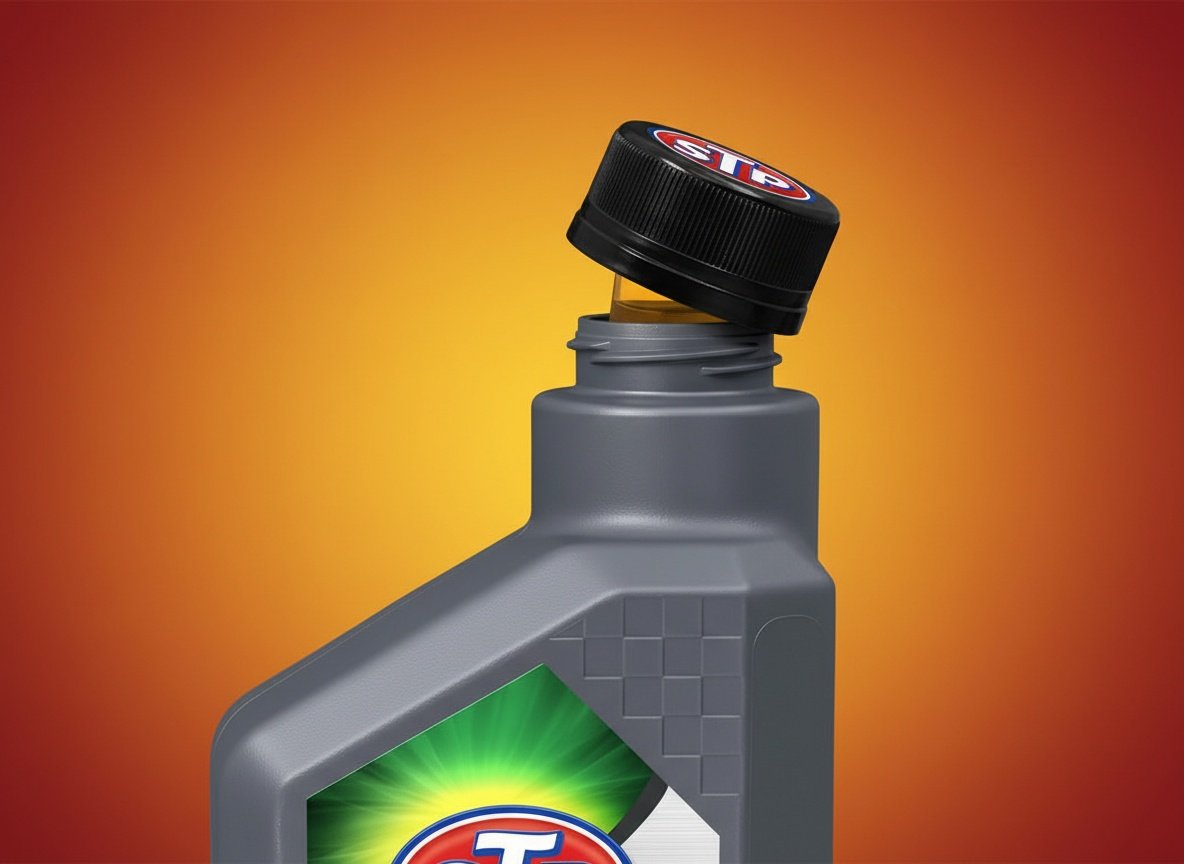
Five years, one mower, one oil, I’ve never once switched. The STP Premium Synthetic Blend 4 Cycle Small Engine Oil is the 10W-30 that’s been in that crankcase since the first change, and the engine still starts on the first pull. You can check the current price on Amazon here. This isn’t a new discovery for me. I’ve been watching my dad use STP growing up, so this brand goes back a long way in my family.
What This Synthetic Blend Actually Is
This is a 10W-30 synthetic blend formulated for 4-cycle small engines, not full synthetic, which means lower cost and right-sized protection for mowers and generators. The antioxidants fight thermal breakdown at high operating temps, and the detergents scrub out carbon deposits, the slow-burn damage that kills small engines long before the blade wears out. It’s formulated for small engines in lawnmowers, generators, tractors, and snow blowers, so it’s the same bottle whether you’re topping off the mower in July or the snow blower in January. The listing calls out antioxidants that fight thermal breakdown so the 10W-30 holds up at high temperatures, plus detergents that keep components clean and control carbon deposits. That buildup is the stuff that quietly kills small engines.
The Measuring Lines Are the Best Part
You can see on the side here, you can measure out the exact amount of oil you need. Most small engines don’t take a full bottle. If you only need 6 ounces or 8 ounces, the markings right on the bottle make it a convenient way to go ahead and measure that out. No separate measuring cup, no overfilling the crankcase and then draining it back out. That’s the detail I appreciate most because getting the fill level right matters more on a small engine than people think.
The Pour Takes a Steady Hand
The one thing I’d flag is that pouring precisely to a mark takes patience. The measuring lines only help if you go slow and let the oil settle between pours, otherwise you’ll blow past 6 ounces before you know it. It’s not a deal-breaker, but if you’re the type to just tip and dump, you’ll overshoot. Pour a little, let it level out, check the line, repeat. Do that and you’ll hit your mark without wasting oil.
Get it now
STP Synthetic Blend Small Engine Oil
Get the best price on Amazon →This post contains affiliate links. I may earn a commission at no extra cost to you.

Who This Oil Is For
This is for the homeowner running one or two pieces of outdoor power equipment who doesn’t want to keep switching oils by season. One 10W-30 synthetic blend covers the mower in summer and the snow blower in winter, which cuts down the confusion about what actually goes in each machine. If you’ve got a shed full of 4-cycle gear, keeping one bottle on the shelf is simpler than tracking three. After nearly five years and more oil changes than I’ve counted, the engine still starts on the first pull and burns clean. That’s the only proof that matters.
Synthetic Blend vs Full Synthetic
A synthetic blend sits between conventional oil and full synthetic, which is exactly the right spot for most small engines. Full synthetic costs more and is aimed at engines that see extreme conditions and long drain intervals. A lawnmower or generator doesn’t need that headroom. This blend gets you the antioxidant and detergent protection that keeps things clean without paying for capability a small engine will never use. If you’re running a mower in normal yard conditions, the blend is the sensible pick.
Advice Before You Pour
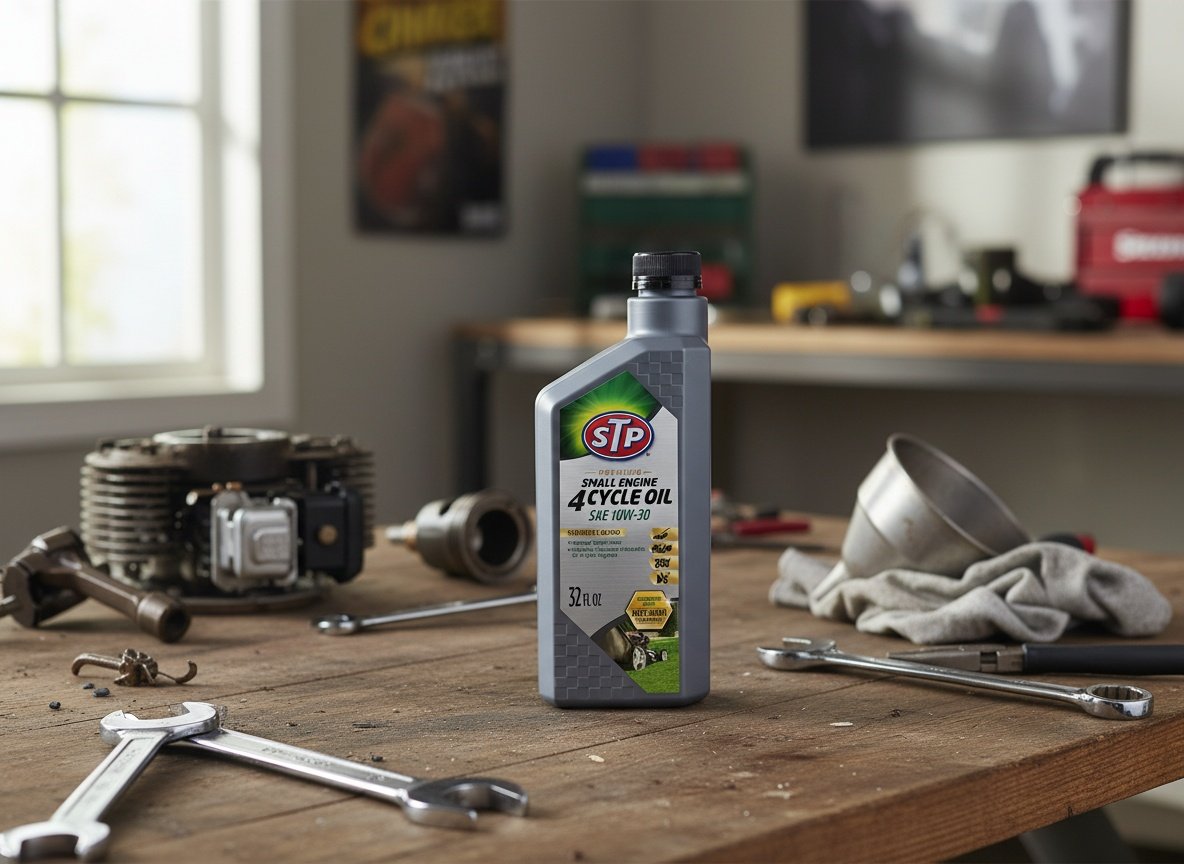
Check your owner’s manual for the exact oil capacity first, then use the bottle markings to hit that number. Don’t guess and don’t top off past the dipstick full line. Overfilling a small engine is as bad as running it low. Confirm your engine is a 4-cycle before you buy this, because 2-cycle engines need oil mixed into the fuel and this is not that. Beyond that, it’s straightforward. Give this a try if you want one dependable oil for the whole shed.
Pros
- Held up in my lawnmower for four and a half to five years
- Measuring lines on the bottle for exact 6 or 8 ounce pours
- One 10W-30 covers mowers, generators, and snow blowers year-round
- Antioxidants and detergents aimed at wear and carbon buildup
- A brand I’ve trusted since watching my dad use it
Cons
- You have to pour slow to hit the measuring marks accurately
- Synthetic blend, not full synthetic, if that’s what you specifically want
- 4-cycle only, no good for 2-cycle mix engines
Frequently Asked Questions
What engines can I use this synthetic blend oil in?
It’s made for 4-cycle small engines in lawnmowers, generators, tractors, and snow blowers. It won’t work in 2-cycle engines that need oil mixed into the fuel. Check your machine is 4-cycle before buying.
How much oil does one bottle hold?
One bottle is 32 fl oz. Most small engines take far less than that, often 6 to 8 ounces, so a single bottle covers several changes on a typical mower.
Do I need different oil for summer and winter?
Not with this one. It’s an all-weather 10W-30 designed to run across temperature extremes, so the same bottle handles the mower in heat and the snow blower in cold.
How do I measure the exact amount?
There are markings printed on the side of the bottle. Pour slowly and let the oil settle between pours so you can read the line accurately instead of overshooting.
Is a synthetic blend good enough for a lawnmower?
Yes, a synthetic blend is well-matched to small engines in normal use. Full synthetic is aimed at extreme conditions a mower rarely sees, so the blend covers what most homeowners need.
How often should I change small engine oil?
Follow your equipment manual, but many small engines call for a change after the first few hours of break-in and then roughly once a season or every 50 hours of use. The detergents in this oil help control buildup between changes.
Can I use 10W-30 if my manual lists a different weight?
Use what your manual specifies. Many small engines call for 10W-30, but some list SAE 30 or another grade depending on temperature. Match the manual rather than assuming.
Will overfilling hurt my engine?
Yes, overfilling can cause smoking, hard starts, and wear, so it’s as bad as running low. That’s exactly why the measuring lines matter. Fill to the dipstick full mark and stop.
Get it now
STP Synthetic Blend Small Engine Oil
Get the best price on Amazon →This post contains affiliate links. I may earn a commission at no extra cost to you.
🛍️ Shop everything in this video
Every product mentioned, in one place — these are affiliate links, so I may earn a small commission at no extra cost to you.
🛍️ STP Premium Synthetic Blend 4 Cycle Small Engine Oil — check price on Amazon →