Carbou 4″x4″ Medical Xeroform Petrolatum Dressing Review
I used the Carbou 4x4 medical xeroform petrolatum dressing for my wife's burn at home. Here's why the non-stick petroleum base matters.
This post contains affiliate links. I may earn a commission at no extra cost to you.
Quick Verdict
My wife had a burn and I had to change the dressing at home. This is what they recommended we get, and the petroleum base means it doesn’t stick to the wound when you pull it off. That one thing is the whole point.
Buy if you:
- Are changing a burn or surgical dressing at home yourself
- Need a non-stick primary layer that keeps the wound moist
- Want individually sealed pads you can grab one at a time
- Have to cut the pad down to fit an odd wound shape
Skip if you:
- Dislike the oily, greasy feel this leaves on your fingertips
- Expect it to be the only bandage layer (you still add dry gauze on top)
- Aren’t dealing with an open wound, burn, or incision
Clicking takes you to the seller's website. We may earn a small commission if you purchase, at no extra cost to you.
| Size | 4″ x 4″, cuttable |
|---|---|
| Active ingredients | Petrolatum + 3% Bismuth Tribromophenate |
| Type | Non-adherent fine mesh gauze |
| Count | 25 individually sealed sterile pads |
| Use as | Primary contact layer over the wound |
The Dressing They Told Us to Get for a Burn
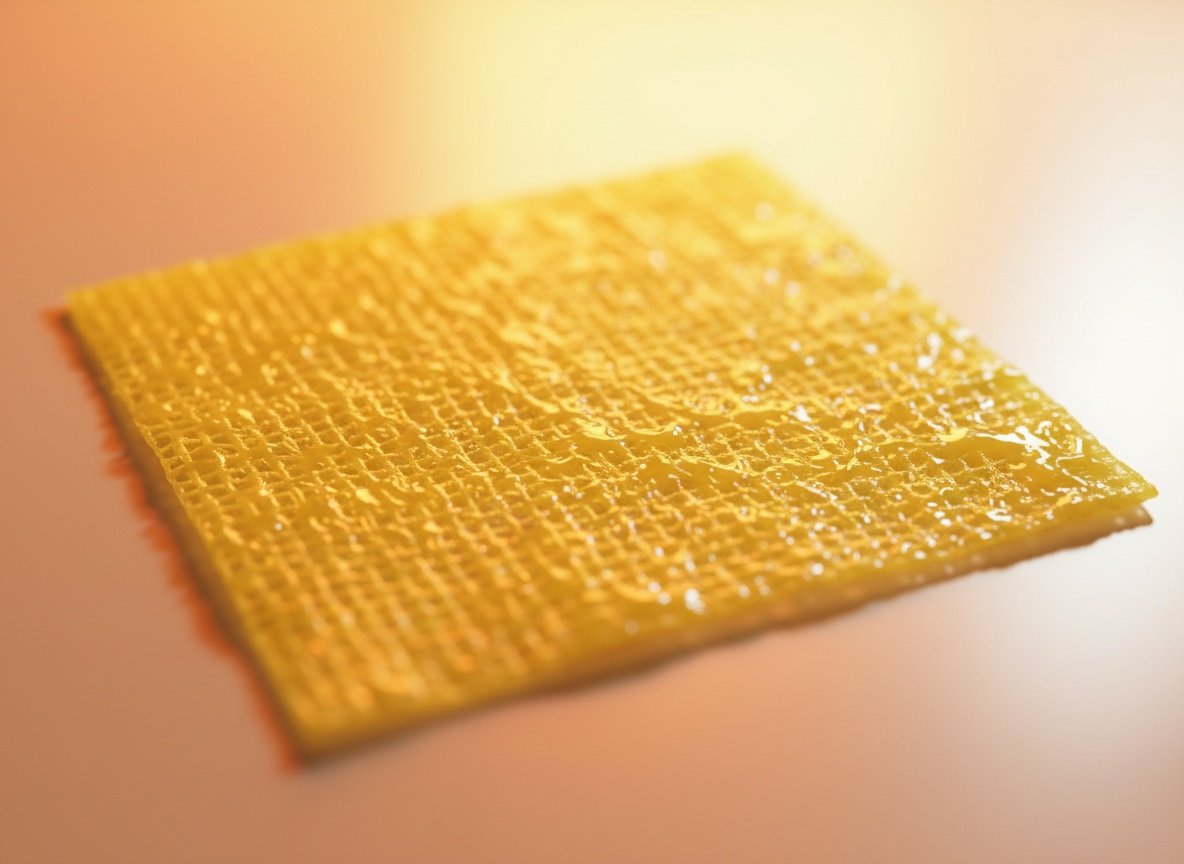
The clinic sent us home with a burn, a care sheet, and the name of this dressing. After a week of daily changes on my wife’s wound, I understand the recommendation: the petroleum-soaked mesh lifts off cleanly every single time, without the skin-tearing drama that makes plain dry gauze so dreaded. That’s not a small thing when you’re doing this at the kitchen counter, alone, trying not to hurt someone you love.
If you’ve ever peeled a plain dry gauze off a healing burn, you know the wince. That’s the exact problem this solves. It’s a fine mesh pad soaked in petroleum, so it stays a wet gauze instead of drying to the skin.
What’s Actually in the Pad
The petroleum base is the whole story. This is a 4×4 inch fine mesh gauze that contains petrolatum plus 3% Bismuth Tribromophenate, meant to sit as the primary contact layer right against the wound. It’s cuttable, so you can trim it to whatever shape the wound is.
Each box comes with 25 pads, and every one is sealed in its own sterile packet. That matters when you’re doing daily changes and don’t want to expose a whole stack of gauze to open one pad.
How It Performed on an Actual Dressing Change
It came off clean every time, no dragging, no flinching from my wife, no fresh pink skin pulled up with it. The petroleum keeps the mesh from drying to the wound surface between changes, so by day seven the removal was as uneventful as peeling plastic wrap off a bowl. That consistency is the whole performance story.
That’s the main advantage to having this type of bandage. It doesn’t stick because of the petroleum base. Plain dry gauze bonds to the wound as it dries, and pulling it off can undo the healing you just made. This one skips that whole problem.
The Oily, Greasy Feel Takes Getting Used To
It feels oily and greasy on your fingertips. That’s the trade-off to expect. The same petroleum that keeps it from sticking to the wound also gets all over your hands while you’re applying it, so the pad is a little slippery to position. It’s not a deal-breaker, but the first time you handle one it’s a surprise. Have a paper towel ready.
Get it now
Carbou Xeroform Petrolatum Dressing
Get the best price on Amazon →This post contains affiliate links. I may earn a commission at no extra cost to you.

Who This Is For
The clearest fit is the person who has never done this before and is terrified of doing it wrong. First responders already know xeroform; this box is for the spouse, the parent, the roommate sent home from a clinic with a wound and a care sheet. The individually sealed pads mean you can’t accidentally contaminate tomorrow’s dressing while fumbling with today’s, a detail that matters a lot when your hands are greasy and someone is wincing in front of you.
If you’re only stocking a basic first aid kit for scrapes, this is more than you need. It shines when there’s an open, healing wound that you don’t want to re-injure every time you swap the dressing.
Xeroform vs Plain Dry Gauze
Dry gauze sticks; xeroform doesn’t. Petrolatum keeps the contact layer moist, so it lifts cleanly without re-injuring the wound, dry gauze goes over top for padding.
So it’s not really an either/or. Plain gauze is still cheaper and fine for closed skin or as the outer layer. But against an open burn or incision, the xeroform is the one to have.
Advice Before You Buy
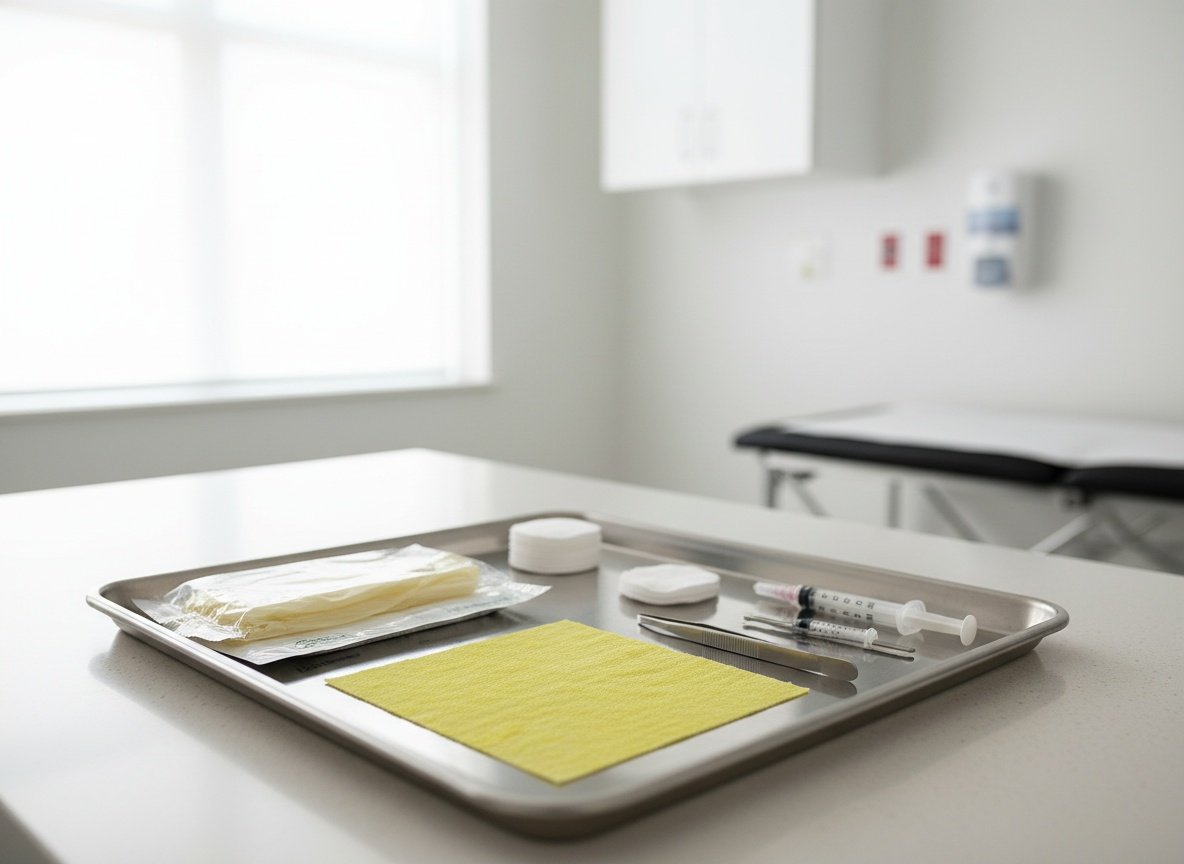
Remember it’s a two-layer system. The biggest mistake would be treating this as your only bandage. It’s the moist contact layer, and you still need a dry gauze pad and tape or wrap over it. Cut it down before you peel the backing if the wound is smaller than 4×4, since a single trimmed layer covers plenty. And if you’re following a care plan from a clinic, keep using it exactly the way they told you to change it.
Pros
- Comes off clean without ripping at a healing burn
- Petroleum base keeps the wound moist the way a burn needs
- Cuttable to fit odd wound shapes
- 25 individually sealed sterile pads for daily changes
Cons
- Oily, greasy feel gets on your fingertips and makes it slippery to position
- Not a standalone bandage, you still layer dry gauze on top
- Overkill for a basic scrape-and-scratch first aid kit
Frequently Asked Questions
Do I put the dry gauze directly on the wound or on top of the xeroform?
On top of the xeroform, never directly on the wound. The petrolatum pad is the contact layer, then the dry gauze goes over it for padding and absorbency. Dry gauze against the wound itself will stick and can rip it open on removal.
Can I cut the pad to fit a smaller wound?
Yes, it’s cuttable. The 4×4 mesh trims down to whatever size and shape the wound is, and a single layer covers the area effectively. Cut it before peeling off the packaging so you’re not fighting the greasy mesh.
What wounds is this actually made for?
Open wounds where sticking is a problem: I-II degree burns, surgical incisions, lacerations, abrasions, skin grafts, donor sites, and pressure ulcers. It’s designed as the primary contact layer for those, not for closed or fully healed skin.
Is the greasy residue normal?
Yes, that oily, greasy feel is the petrolatum doing its job. It’s what keeps the pad from bonding to the wound and keeps the area moist. It will get on your fingertips during application, so keep a towel handy.
How often should I change it?
Follow the schedule your doctor or clinic gave you for the wound. That’s why the 25-count box of individually sealed pads is handy for at-home daily changes. Each pad is single-use, so you grab a fresh sealed one each time.
Does it need any special storage?
No, the individual sterile packets store easily in a drawer or first aid kit. Keep them sealed until you’re ready to use one, since opening a packet breaks the sterile barrier.
Is Carbou xeroform the same as the Medline version?
They’re the same category of dressing, a petrolatum-impregnated non-adherent mesh gauze. Brands like Medline make comparable xeroform petrolatum dressings, and this Carbou pad works on the same principle with petrolatum plus 3% Bismuth Tribromophenate. Compare pack count and price on the listing.
Can I use this on my pet’s wound?
This is a human medical dressing, so check with a vet before using it on an animal. The non-stick petrolatum concept is the same, but wound care for pets should be guided by a professional, especially since animals tend to lick and chew at bandages.
Get it now
Carbou Xeroform Petrolatum Dressing
Get the best price on Amazon →This post contains affiliate links. I may earn a commission at no extra cost to you.
🛍️ Shop everything in this video
Every product mentioned, in one place — these are affiliate links, so I may earn a small commission at no extra cost to you.
🛍️ Caribou 4×4 Medical Xeroform Petrolatum Dressing — check price on Amazon →